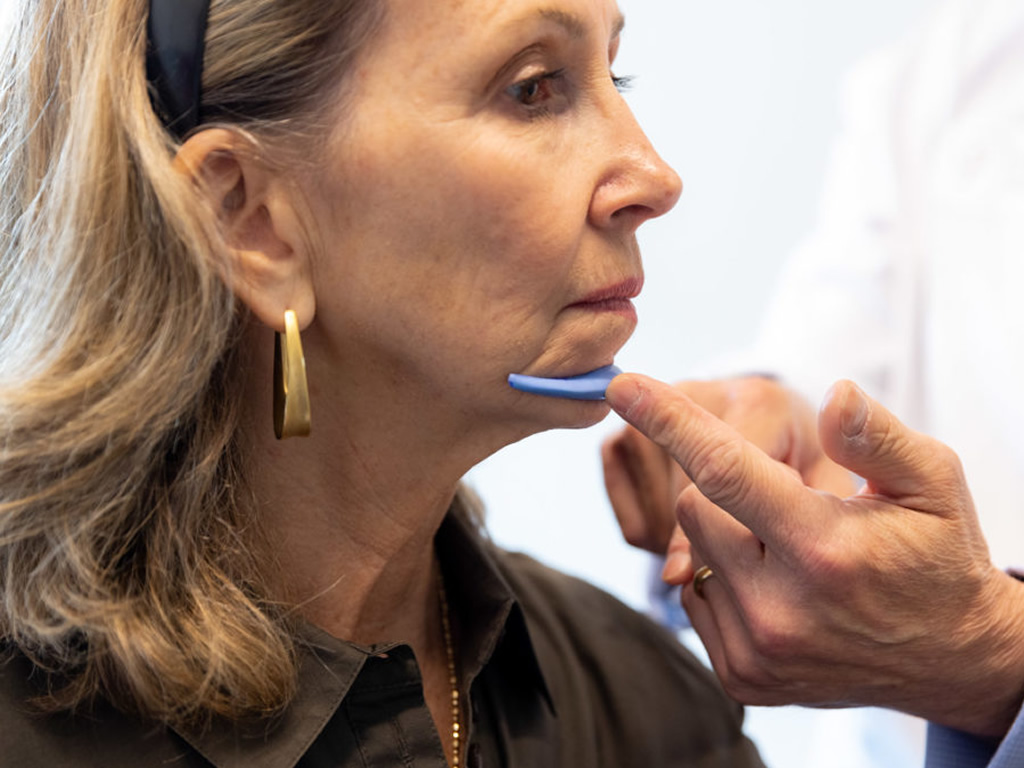
Hidden Dangers of Mentoplasty: Understanding Potential Complications and Side Effects
Mentoplasty, also called chin surgery, changes the shape or size of your chin.
Sometimes it adds an implant.
Sometimes it reduces bone.
It’s a type of cosmetic surgery, but also used for people with jaw misalignment.
It can change the way your face looks completely.
Why People Choose Chin Surgery
People often feel their chin is too small, too big, or not balanced.
Maybe their profile seems off.
Maybe it affects confidence or self-image.
Some just want a stronger jawline.
Others want symmetry after injury or birth defects.
No shame in wanting to look how you feel inside.
But surgery isn’t a light decision.
Understanding mentoplasty complications is key.
Common Mentoplasty Complications You Should Know
Not every chin surgery goes smoothly.
Let’s be real—any procedure has risks.
Here are the most common mentoplasty complications:
1. Swelling and Bruising
This happens in almost every case.
Usually mild, but can be uncomfortable.
Goes away in 2-3 weeks.
2. Nerve Damage
This one scares people—and for good reason.
Some nerves in the chin area may be affected.
Leads to numbness, tingling, or loss of sensation.
Sometimes it’s temporary.
Sometimes it sticks around.
3. Infection
Not common, but serious if it happens.
Especially if an implant is involved.
May need antibiotics—or removal of the implant.
Clean clinics and hygiene help avoid this.
4. Implant Shifting
If you get an implant, it can move out of place.
This could change how your face looks.
Might need another surgery to fix.
5. Scarring
Even though incisions are small, scars happen.
Most are hidden under the chin or inside the mouth.
Some people form thicker, more visible scars.
Genetics plays a role here.
6. Asymmetry
You wanted a balanced look—but now one side looks “off.”
Sometimes swelling causes this and goes away.
Other times, the surgeon needs to adjust things later.
Related long-tail keywords used:
-
Chin augmentation complications
-
Chin surgery gone wrong
-
Mentoplasty risks and prevention
Rare But Serious Risks of Mentoplasty
Let’s go deeper into the rare stuff—less common, but more dangerous.
1. Bone Resorption
Sounds weird, right?
This means your body starts breaking down chin bone because of the implant pressure.
Not everyone knows this is even possible.
Can lead to implant failure.
2. Airway Obstruction
Very rare, but possible due to swelling or placement.
Can affect breathing right after surgery.
Quick medical care is crucial.
3. Allergic Reaction to Anesthesia or Implants
Always tell your doctor about allergies.
Some people react badly to materials used in implants.
Others react to anesthesia during surgery.
4. Blood Clots or Hematoma
Blood can pool under the skin (hematoma), causing pain and swelling.
Or clots can form, blocking vessels.
Not common—but very serious.
5. Skin Necrosis
If blood supply to the skin is cut off, it can die.
This is skin necrosis.
It’s rare, but leads to blackened tissue and requires urgent care.
Source: American Society of Plastic Surgeons
Source: Mayo Clinic
Source: RealSelf Patient Reviews
Who’s More Likely to Face Complications?
Not everyone faces risks the same way.
Certain groups have a higher chance of trouble.
You’re more likely to face mentoplasty complications if you:
-
Smoke or vape
-
Have diabetes or immune disorders
-
Don’t follow aftercare instructions
-
Choose a surgeon without proper credentials
-
Have previous facial surgeries
-
Are prone to keloid scarring
How to Reduce Risks Before and After Chin Surgery
You can’t control everything.
But you can lower your risk of mentoplasty complications by planning right.
Pre-Surgery Tips
-
Choose a board-certified surgeon
-
Share your full medical history
-
Stop smoking at least 4 weeks before
-
Avoid blood thinners unless told otherwise
Post-Surgery Tips
-
Keep your head elevated
-
Use ice packs the first few days
-
Follow antibiotic and pain meds as directed
-
Watch for signs of infection (fever, pus, redness)
Mentoplasty vs Other Facial Surgeries
Here’s how mentoplasty compares with similar surgeries in terms of risks and recovery:
Comparison Table
| Feature / Surgery Type | Mentoplasty (Chin) | Rhinoplasty (Nose) | Jaw Surgery (Orthognathic) |
|---|---|---|---|
| Common Complications | Swelling, Nerve Damage | Bleeding, Breathing Issues | Jaw Pain, Numbness |
| Recovery Time | 2–3 weeks | 2–4 weeks | 6–8 weeks |
| Implant Use | Often | Rare | No |
| Scar Visibility | Low | Medium | Medium |
| Long-Term Risks | Implant Shift, Resorption | Nasal Collapse | Bite Misalignment |
Real Patient Stories: What Can Go Wrong
Let’s be real for a second—stats and facts are great, but real stories hit harder.
When you hear what someone else went through, it sticks with you.
Here are a few anonymized but true examples shared on forums like RealSelf and Reddit.
Case 1: Numb Chin That Never Came Back
Sarah (not her real name) got chin augmentation to balance her profile.
She expected some swelling, but weeks later, her chin was still numb.
Turns out a small nerve got damaged.
Her surgeon told her it “might come back.”
It’s been a year. It hasn’t.
She’s now adjusting to the loss of feeling and is seeing a neurologist.
Case 2: Shifting Implant Disaster
Mike wanted a stronger jawline.
He picked a popular surgeon and got an implant.
At first, it looked great.
But three months in, the implant started to shift.
His chin looked crooked. He had to get it re-done.
The second surgery was more painful and cost more.
He now warns people to ask about implant fixation techniques.
Case 3: Infection from the Inside
Jenny had the procedure done through the inside of her mouth.
A week later, she noticed weird swelling and pain.
She went back to her surgeon—turns out it was a deep infection.
She needed antibiotics through an IV and had the implant removed.
She now shares her story to push people to check clinic hygiene and post-op care.
These stories aren’t here to scare you—they’re here to prepare you.
Mentoplasty complications don’t happen to everyone.
But they’re real.
When to Call Your Surgeon
One big mistake people make?
Waiting too long to speak up when things feel “off.”
Here’s when you should absolutely call your doctor:
🚨 Red Flags After Chin Surgery
-
Fever over 100.4°F (38°C)
-
Sudden swelling that gets worse
-
Foul-smelling discharge or pus
-
Intense pain that meds don’t control
-
Numbness that spreads or worsens
-
Implant feels loose or “moves” when touched
-
Difficulty breathing or swallowing
Your surgeon should always give you a list of warning signs.
If they don’t? That’s a red flag by itself.
Good surgeons expect questions. They welcome them.
Key Takeaway: Complications Are Rare—But Real
Mentoplasty isn’t a super dangerous surgery.
But it’s not risk-free either.
Understanding what can go wrong is the first step to doing it right.
If you do your homework, pick the right surgeon, and follow instructions—you’ve already cut your risk in half.
Let’s Wrap This Part with a Quick Summary:
-
Common issues: Swelling, numbness, infection
-
Rare risks: Bone resorption, airway problems
-
Avoidable with prep: Follow pre- and post-op care
-
Know your body: If it feels wrong, speak up
FAQ: Mentoplasty Complications
Let’s answer what people are really asking.
Here are the top 10 questions folks ask before and after chin surgery.
1. Is mentoplasty dangerous?
Not usually. But like any surgery, it has risks. Most issues are mild, like swelling or bruising. Rarely, serious problems can happen like infection or nerve damage.
2. How long do mentoplasty complications last?
Most side effects go away in 2–4 weeks. Numbness can take longer. In some cases, it may be permanent.
3. Can an implant move after surgery?
Yes. If not properly placed or if the area is hit during healing, implants can shift. That’s why careful post-op care is critical.
4. What does nerve damage feel like?
Tingling, numbness, or total loss of feeling in the chin or lower lip. It might go away over time—or not.
5. Can mentoplasty affect speech?
Temporarily, yes. Swelling and discomfort may make talking hard for a few days. Long-term speech issues are rare.
6. How do I know if I have an infection?
Look for fever, swelling, pain, or discharge that smells bad. See your surgeon right away if these show up.
7. Are internal scars a problem?
Internal incisions usually heal well, but scarring inside the mouth can be a bit uncomfortable for a while.
8. Can mentoplasty affect breathing?
Only in rare cases where swelling affects the airway. If you have trouble breathing after surgery, seek help immediately.
9. What are the signs of implant failure?
Pain, swelling, or changes in how your chin looks or feels. Your surgeon may need to scan or remove the implant.
10. Is mentoplasty worth it despite the risks?
For many, yes. If done right, it can boost confidence and improve facial balance. Just be informed and choose your surgeon wisely.
Chin Augmentation vs. Non-Surgical Options
Some people jump into surgery thinking it’s the only way to enhance their jawline.
But that’s not always the case.
Let’s quickly look at chin augmentation (mentoplasty) vs. non-surgical alternatives.
Here’s a side-by-side comparison:
✅ Surgical vs. Non-Surgical Chin Enhancement
| Feature | Mentoplasty (Surgical) | Non-Surgical Fillers |
|---|---|---|
| Procedure Type | Invasive (with anesthesia) | Minimally invasive (injectables) |
| Recovery Time | 1–2 weeks | 1–3 days |
| Longevity | Permanent or long-term | Temporary (6–12 months) |
| Risks | Infection, nerve damage, implant shift | Swelling, bruising, rare filler lumps |
| Cost | $$$ (usually $3,000–$5,000) | $$ (usually $500–$1,500) |
| Customization | Highly customizable | Limited volume and shape changes |
| Best For | Major changes, strong jawline goals | Minor tweaks, trying out look |
Should You Be Worried About Mentoplasty Complications?
Not worried—but informed.
If you know what to watch for and take the right steps, you’re far less likely to deal with complications.
Just like wearing a seatbelt in a car doesn’t mean you expect to crash—it just means you’re smart.
Mentoplasty complications happen, but most are manageable or preventable.
Let’s Recap Key Takeaways:
-
Know the risks: Numbness, infection, bone issues, and implant movement.
-
Ask your surgeon: Experience, complication rates, and safety protocols.
-
Choose wisely: Board-certified, good reviews, clear communication.
-
Take recovery seriously: Follow post-op care like it’s a job.
-
Report issues early: Don’t wait until it gets worse.
Mentoplasty can boost confidence and balance your facial features—but it’s not a decision to make on impulse.
The best results come from being prepared, informed, and realistic.
Outbound Link to Authority Source
Review our Editorial Policy to see how we verify medical data.
Read more professional medical information about Mentoplasty and related health issues here:
Plastic Surgery official website
Información médica sobre Mentoplastia y otras intervenciones relacionadas aqui:
Plastic Surgery Website Oficial


